Japanese Heritage Indigo Dyeing using Sukumo
Emi is trained as a Japanese Heritage Indigo Dyer using sukumo—fermented indigo leaves—under master Ransyu Yano (藍秀) in Tokushima, Japan (2022). This ancient practice involves fermenting indigo leaves for more than one hundred days, carried out by specialist makers known as ai‑shi. Once the sukumo is ready, the indigo dyer—aizome‑shi—spends over twelve days awakening and building the vat, guiding the microbial balance that produces the deep, living indigo colour.
Once fully established, a sukumo vat can be used for three to ten months, depending on how much it is used, with careful daily maintenance.
In 2023, Emi moved into an 18th‑century stone cottage in Northamptonshire, where she is renovating a dedicated indigo workspace using traditional materials. That same year, she was invited to exhibit at Aizome: The Japanese Craft of Indigo Dyeing at the Embassy of Japan in London, and gave a gallery talk about her training in Tokushima.
In summer 2026, Emi successfully established her own Japanese Heritage sukumo indigo vat in her studio—becoming the first person in England to create and maintain a traditional sukumo‑based vat.
Her next aim is to complete the full indigo cycle by creating sukumo in England using indigo plants she has been growing annually for more than five years. Her long‑term goal is to adapt Japanese Heritage indigo techniques to the English landscape, using locally grown plants and local materials rather than relying on imports. Through this work, she hopes to develop a sustainable, regionally grounded approach that preserves and evolves this rare craft for future generations.


Natural dyeing with plants
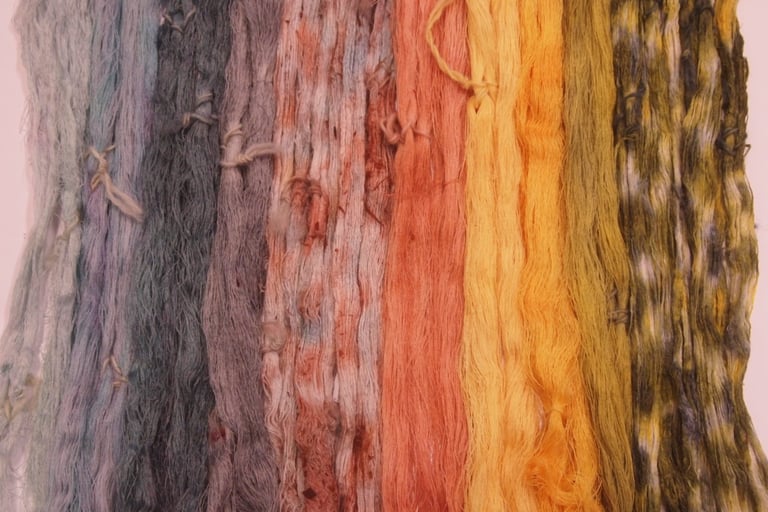
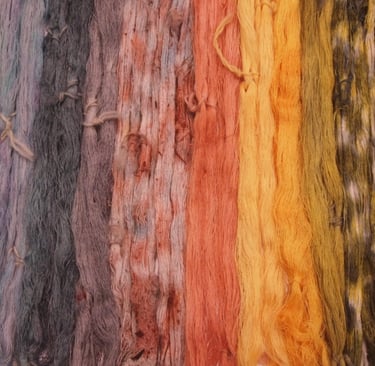
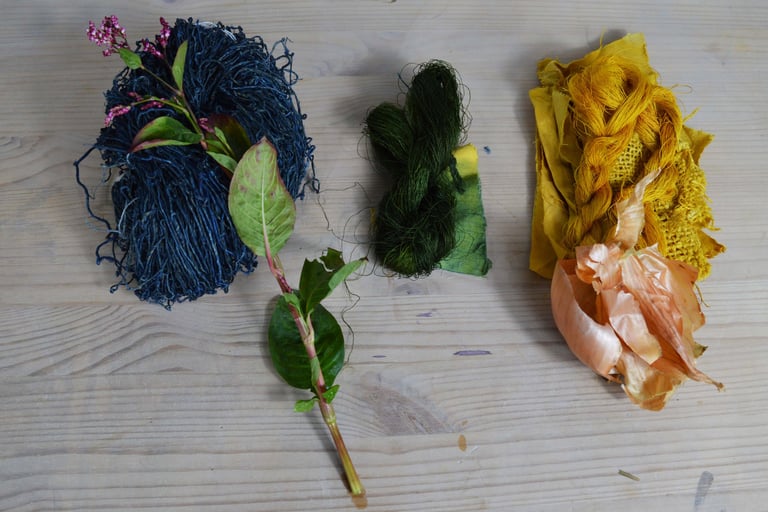
Strongly influenced by traditional textiles and techniques that introduced her into the world of natural dyeing, she started researching natural dyeing by using flowers, plants and vegetables that she would find around her when she was an art student in London. She has researched, experimented and developed several different techniques of natural dyeing and created her own colour palettes only using natural dyes. Like mixing paints, she can make colours with her own special recipes. All of her textiles are made using silk yarns which are afterwards dyed with natural dyes from her own recipes.
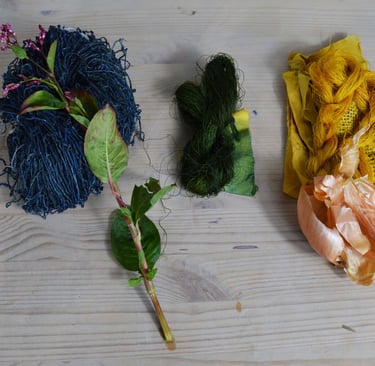
Natural dyeing with stones and chalks
Emi wondered about how humans started making dyes for the first time. One of the very first techniques was the use of muds, so she travelled along the English coasts collecting chalks with different colours and after her experiments, she managed to successfully develop dyeing techniques for her yarns without the use of any chemicals and create her own colour palettes.
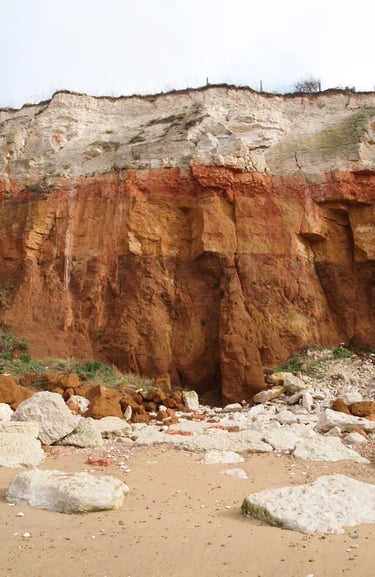
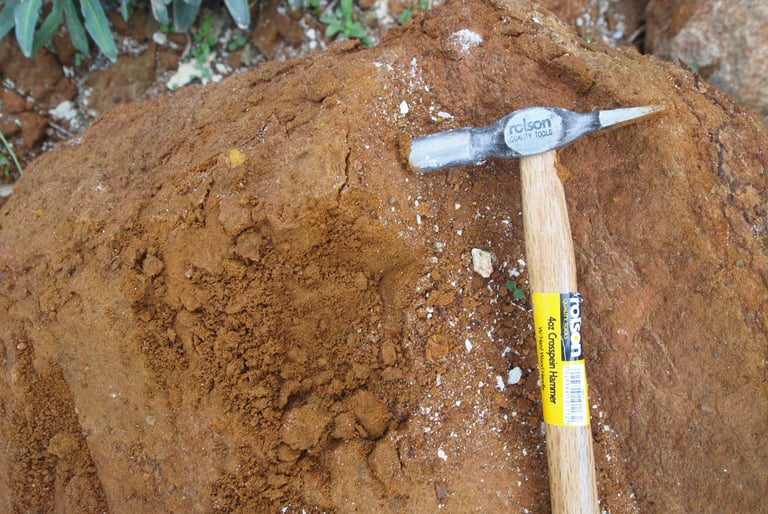

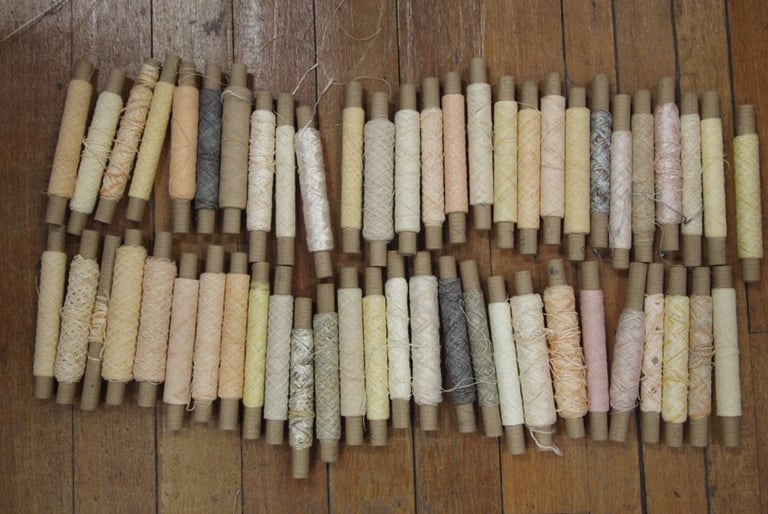
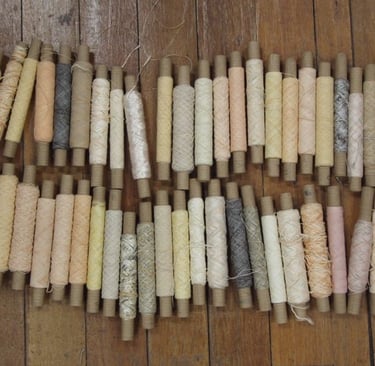
Natural dye with minerals
Emi loves collecting stones with interesting minerals wherever she goes. This curiosity led her to experiment with natural dyes made from minerals, which opened up a new direction in her work. She later used these techniques to create a series of copper weavings, and these experiences also inspired her to start expressing her ideas through pottery.
During her final year at university, Emi struggled to create a turquoise colour using only natural materials. It was a very difficult colour to achieve, and she spent months testing different materials. After many attempts, she finally succeeded and used the colour in her weaving. This discovery became an important moment in her journey with natural dyes.